【What Is Mitochondrial Function: The Output of the "Microscopic Power Plants" Driving 37 Trillion Cells】
Mitochondrial function refers to the capacity of the hundreds to thousands of mitochondria present within nearly every cell of the human body (with the exception of red blood cells) to generate ATP (adenosine triphosphate)—the body's essential energy currency—using oxygen and nutrients.
Mitochondria function, in essence, as microscopic power plants within each cell.
Approximately 95 percent of the energy required for every activity the human body performs—driving the heartbeat, breathing, thinking, muscle contraction, and maintaining body temperature—is generated by mitochondria.
As a result, the strength of this function correlates directly with the body's overall vitality and basal metabolic rate.
【The Dilemma Between Energy Production and "Exhaust"】
The single most important indicator of mitochondrial function is quality.
Young, healthy mitochondria efficiently generate large quantities of ATP (energy) from a minimal amount of fuel.
However, as mitochondria age and decline in number due to aging, physical inactivity, and excessive stress, energy production efficiency falls—and incomplete combustion begins to release large quantities of a harmful byproduct: reactive oxygen species, or free radicals.
What makes this particularly concerning is that these free radicals damage the mitochondria themselves, as well as the surrounding DNA, driving a negative spiral of further functional decline and accelerated aging.
This process is a recognized risk factor for chronic fatigue, cancer, diabetes, and cognitive decline.
【An "Engine Replacement"-Level Intervention at Our Clinic】
At Tokyo Capital Clinic, we define mitochondrial function as the very horsepower—the underlying specification—of an executive's physical capacity, and we take an active approach to improving it.
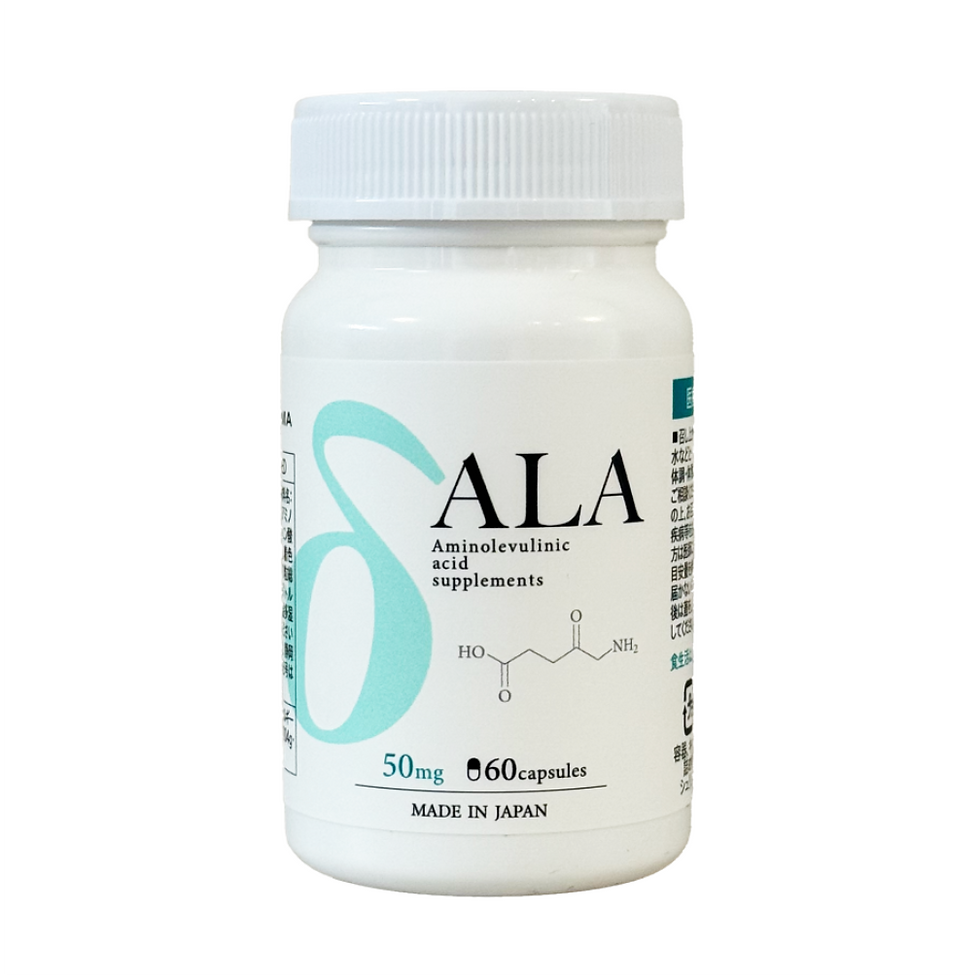
Specifically, we use 5-ALA infusion therapy to smooth the flow of the electron transport chain, NMN infusion therapy to drive repair via activation of sirtuin genes, and fat-metabolism infusion therapy to optimize the supply of fatty acids as fuel.
The sense that "I just can't push myself the way I used to" is not a psychological issue—it is a physical phenomenon reflecting declining output from this cellular engine.
Our clinic medically tunes this aging engine, rebuilding an energy production system capable of high output with low emissions—minimal free radical generation.